Why Dogs and Cats Reign as the Traditional Pet
In a world increasingly fascinated by exotic creatures and unique companions, the dog and the cat remain the cornerstones of the modern pet-owning household. Collectively known as “the traditional pet,” these two species have shared a symbiotic relationship with humanity for millennia, evolving from working partners to beloved family members. Their enduring popularity is not a coincidence; it is root in a unique blend of evolutionary history, psychological benefits, and social compatibility that few other animals can match.
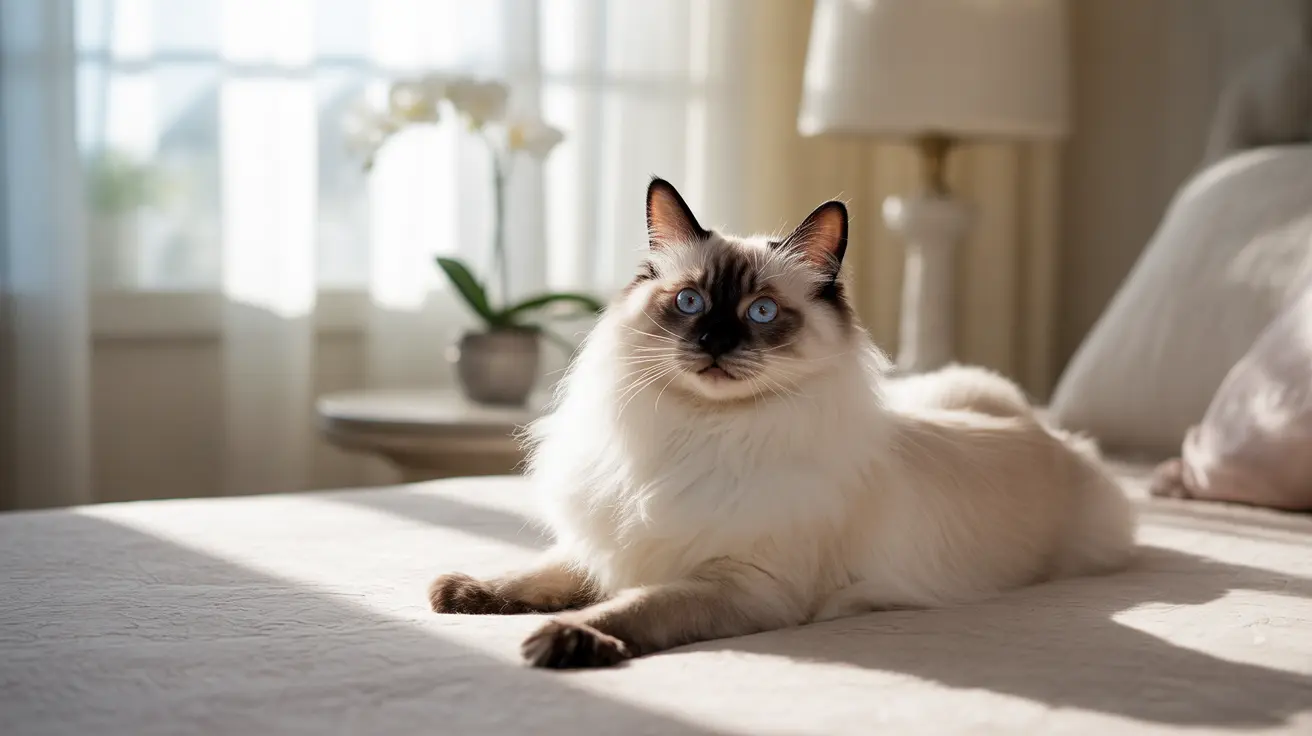
Understanding the phenomenon of the traditional pet offers insight into the fundamental human need for companionship and connection.
I. A Legacy of Domestication: The Historical Bond
The traditional pet’s dominance is inextricably link to the history of domestication, which gifted them with traits perfectly suited for human cohabitation.
A. The Dog: Humanity’s Oldest Partner
- Ancient Alliance: Dogs, domesticated from wolves over 15,000 years ago, were the first animals to form a bond
Clean Yards, Happy Homes: How to Choose the Best Pooper Scooper Company in Your Area

Let’s face it—while dogs bring joy, love, and laughter into our homes, they also bring… poop. And lots of it. As much as we adore our four-legged companions, the constant task of cleaning up after them can be unpleasant, time-consuming, and often overlooked. That’s where hiring a professional pooper scooper company becomes a game-changer.
If you’re tired of tiptoeing through the yard or just don’t have the time to keep up with daily cleanup, finding a dependable dog waste removal service is the next best step. But with so many options out there, how do you know which one is the best fit for your home and pets?
Whether you’re looking for a pooper scooper in Henderson or anywhere else, this guide will walk you through the key things to consider when selecting the right dog poop pickup service in your area.
Why Hire a Pooper Scooper Company?
Before diving … Read more
Everything Your Rabbit Needs to Thrive
Rabbits are often mistakenly perceived as low-maintenance “cage pets” suitable for children. The reality is far more complex: these intelligent, social, and delicate creatures have a specific and non-negotiable set of needs that must be met to ensure a long, healthy, and happy life. True rabbit welfare goes far beyond a small hutch and a carrot. It encompasses diet, habitat, social structure, and preventative healthcare.
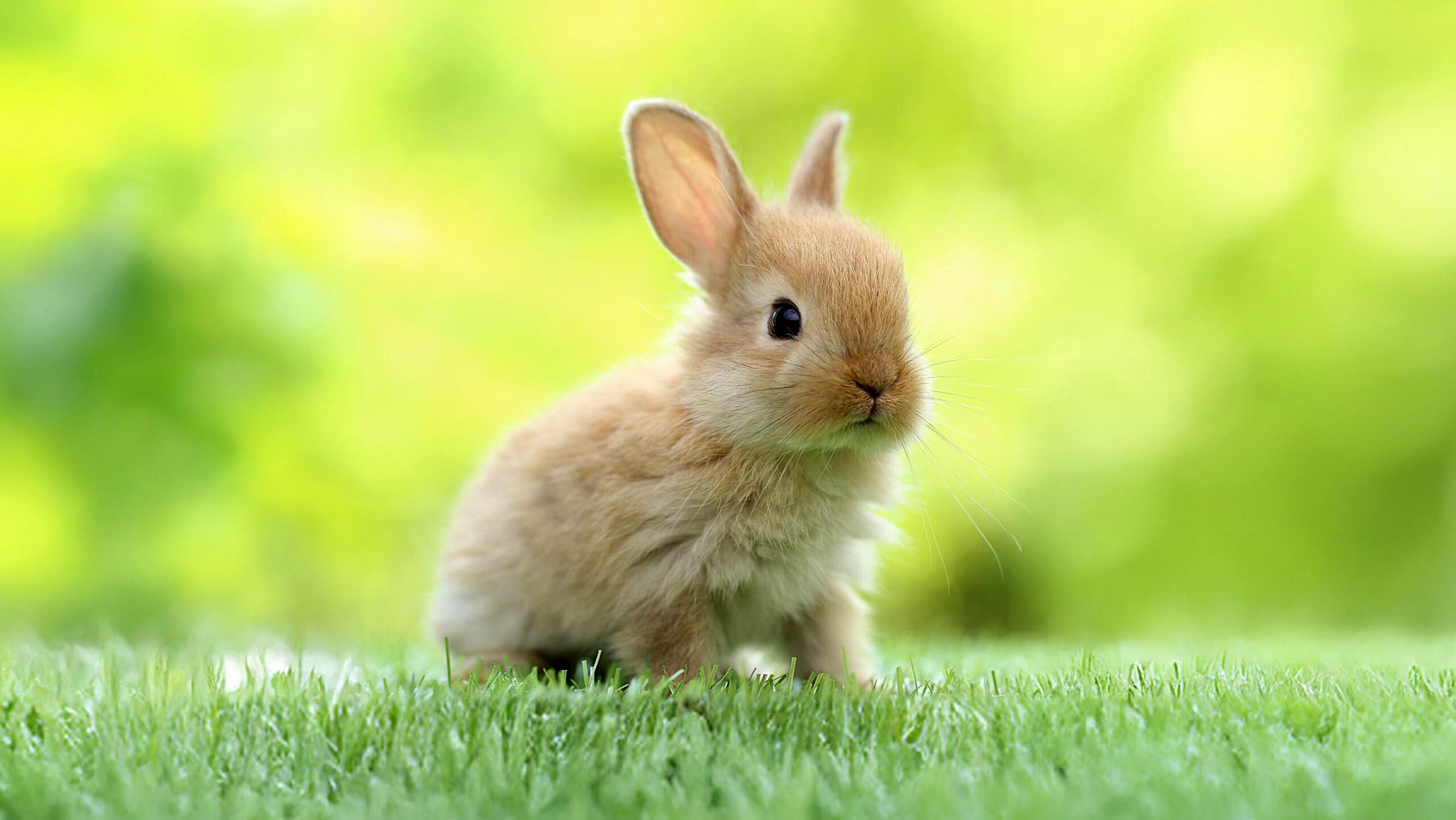
Understanding what a rabbit needs is the first step toward becoming a responsible and rewarding pet parent to these charming animals.
I. The Core of Health: The Hay-Centric Diet
The single most critical element of a rabbit’s care is its diet, which is directly tied to two vital physiological needs: dental health and gastrointestinal function.
A. Unlimited Hay is Non-Negotiable
- Dental Wear: A rabbit’s teeth grow continuously throughout its life. Chewing fibrous hay grinds these teeth down naturally, preventing painful and life-threatening spurs and overgrowth.
Exploring the Rewarding World of Unique Companion Animals
For decades, the term “pet” has conjured images of a friendly dog wagging its tail or a sleek cat purring on a lap. However, the modern companion animal landscape is far more diverse, with a growing number of individuals choosing to share their homes with non-traditional species. From the silent, fascinating world of reptiles to the surprising intelligence of small mammals and birds, going beyond dogs and cats opens the door to a unique, often demanding, but deeply rewarding kind of pet ownership.
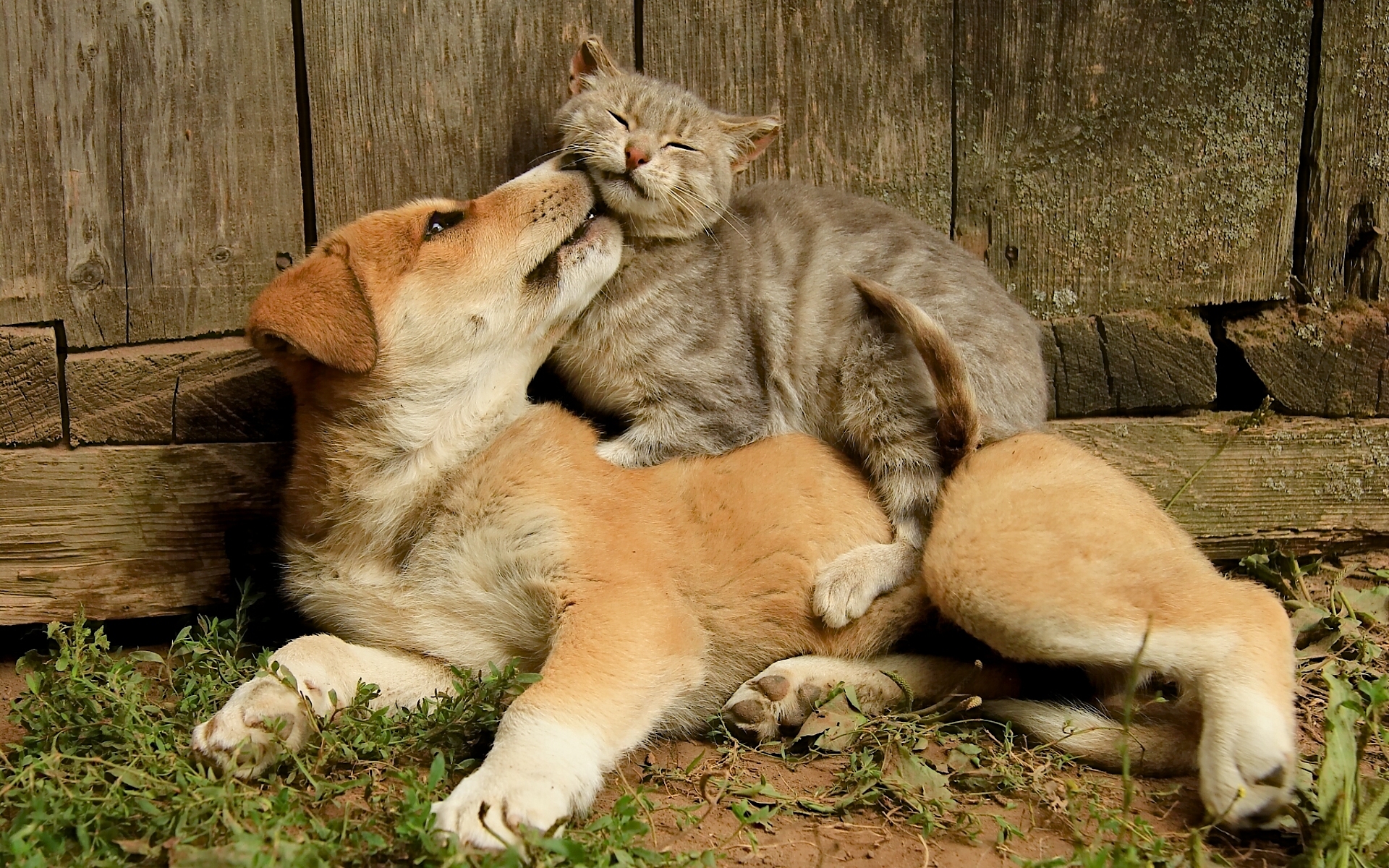
This shift reflects a desire for animals that fit specific lifestyles, have minimal dander, or simply offer a fresh, captivating form of companionship. But what are the realities, benefits, and responsibilities of welcoming these unique creatures into your life?
I. The Allure of the Non-Traditional Pet
Non-traditional companion animals, often grouped under “exotics,” appeal to owners for a variety of reasons, offering distinct advantages over their canine … Read more
Who Are the Targeted Customers for Pet Stores?
The global pet industry is a multi-billion dollar market fueled by an emotional powerhouse: the deep bond between humans and their animal companions. For pet stores, identifying the target customer is far more complex than simply marketing to “pet owners.” The market is highly segmented, driven by varying demographics, pet types, and, most importantly, the psychological phenomenon of “pet humanization.”

To thrive in this competitive retail space, a pet store must not only understand who its customers are but also why they buy, tailoring its products and services to specific needs and values.
I. The Emotional Core: The “Pet Parent” Segment
The primary and most lucrative target audience for modern pet stores is the Pet Parent. This segment views their animals not merely as pets, but as integral family members (“fur babies”).
Key Characteristics and Purchasing Drivers:
- Health and Wellness Priority: Pet Parents prioritize premium products. They